Skip to content
A Connecticut pool may only dominate the backyard for part of the year, but the concrete surrounding it stays outside through every season. Sun, pool water, summer foot traffic, autumn leaves, winter moisture, and freeze-thaw conditions all affect the same surface.
A professionally installed pool deck coating in Connecticut can turn an aging concrete surround into a cleaner, more comfortable, easier-to-maintain part of the property without tearing out the entire deck. The right system can improve traction around wet areas, refresh worn concrete, reduce surface porosity, and give homeowners more value from the relatively short stretch of weather when the pool is actually being used.
For Connecticut properties, however, choosing a pool coating should involve more than picking an attractive color. The existing slab, drainage, texture, exposure, repairs, and seasonal conditions all matter.
Connecticut Pool Decks Have Two Completely Different Jobs
During July, the pool surround may be covered with bare feet, wet towels, sunscreen, toys, lounge chairs, and splashed chlorinated water.
Several months later, the same concrete may be sitting beneath frost, rain, snowmelt, and repeated temperature swings.
That makes a Connecticut pool deck different from one installed in a climate where outdoor swimming areas stay active nearly year-round. The surface has to work as a recreational floor during warm weather while surviving months of exposure when nobody is thinking about the pool.
Connecticut environmental guidance also recognizes freeze-thaw cycling as a mechanism that can damage moisture-containing concrete. Water entering pores or cracks can freeze, expand, and contribute to progressive deterioration.
A coating cannot reverse structural damage inside a failing slab, but the right resurfacing approach can address many surface-level problems while creating a more usable finished deck.
The Real Goal Is Getting More Enjoyment From the Pool Area
Connecticut homeowners do not get unlimited warm weekends.
When swim weather arrives, nobody wants to spend Saturday scrubbing stained concrete, dealing with a rough patched surface, or watching children carefully cross a slick pool surround.
That is one of the strongest arguments for pool deck resurfacing in CT. A good coating is not simply decorative. It can reduce the amount of maintenance required to get the area looking presentable at the beginning of the season and keep the surface easier to manage while the pool is open.
Instead of treating the deck like neglected exterior concrete, resurfacing makes it part of the finished outdoor living space.
Slip Resistance Matters More Than High Gloss
Pool decks look great when they are clean and freshly finished, but appearance should never come at the expense of practical footing.
Water gets carried far beyond the coping. Children climb out of the pool dripping wet. Adults walk between the pool, patio furniture, outdoor kitchen, and house. Sunscreen and other residues can further affect how a surface feels underfoot.
A slip-resistant pool deck typically uses texture within the coating system rather than relying on a perfectly smooth finish.
There is an important balance here.
Extremely aggressive texture may improve grip but can become uncomfortable for bare feet and harder to clean. An overly smooth finish may be easier to wash but less appropriate around constantly wet areas.
Pool deck texture should therefore be chosen specifically for the environment instead of applying the same finish used inside a garage or commercial room.
What Does “Cool Touch” Really Mean for a Pool Surface?
Homeowners frequently search for a cool touch pool surface, but the phrase deserves some context.
No exterior surface sitting under strong summer sunlight remains literally cool. Surface temperature is influenced by sunlight, air temperature, coating chemistry, color, texture, and surrounding conditions.
Color choice can make a meaningful practical difference. Very dark finishes generally absorb more solar energy than lighter colors, which is one reason beige, light gray, sand, stone, and other lighter blends are popular around pools.
A lighter decorative finish may also complement Connecticut backyards well, especially properties with natural stone, light-colored coping, traditional homes, wooded surroundings, or coastal-inspired outdoor spaces.
The better objective is not to promise a permanently cold deck. It is to select a finish designed with barefoot comfort and heat exposure in mind.
Resurfacing Can Make Old Concrete Look Intentional Again
Pool surrounds rarely age evenly.
One area may have an old crack repair. Another section may be darker from years of moisture exposure. Previous furniture locations may have left stains. The concrete near the water may look different from areas protected by landscaping or shade.
Eventually, the deck can start looking like several generations of concrete repairs rather than one finished surface.
A concrete pool surround coating can visually unify those areas.
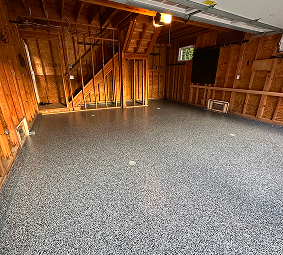
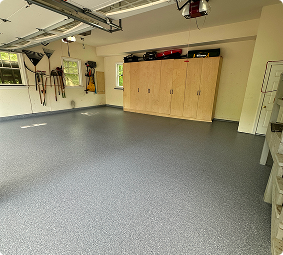
Decorative flake, textured broadcast systems, and other coating finishes can disguise minor visual inconsistencies more effectively than simply painting the slab a solid color. Surface preparation and repairs remain essential, but the final appearance no longer has to advertise every cosmetic difference in the original concrete.
Repair the Concrete Before Trying to Beautify It
Coatings are finishes, not magic blankets.
If a pool deck has cracks, spalling, loose concrete, deteriorated repairs, or other defects, those conditions should be evaluated before coating installation begins.
A proper pool deck repair in Fairfield County or elsewhere in Connecticut starts by determining what is cosmetic and what may indicate a larger concrete problem.
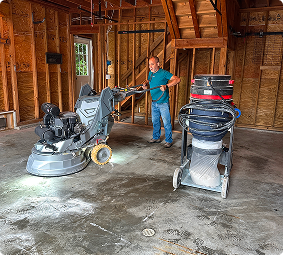
Stable cracks may be repairable as part of surface preparation. Weak or deteriorated material may need to be removed. Previous coatings may require grinding or other mechanical preparation before a new system can bond properly.
Active movement also matters. A coating placed over a moving crack cannot guarantee that the crack will never become visible again.
Being realistic about the slab produces a better result than promising that every defect can permanently disappear underneath a coating.
Moisture Below the Surface Deserves Attention Too
Pool decks obviously get wet from above, but moisture can also affect concrete from below.
Exterior slabs sit over soil and aggregate, and site drainage varies widely from one property to another. Low spots, nearby landscaping, poor runoff, irrigation, and groundwater conditions can all influence moisture around concrete.
Problems become especially important when coating a dense surface over an existing slab.
Professional preparation should therefore involve evaluating the actual concrete rather than assuming every pool deck is identical. If unusual moisture conditions, drainage issues, or chronic deterioration are present, they should be considered before selecting a coating system.
The prettiest finish available will not compensate for ignoring what is happening underneath it.
Pool Chemicals Are Only Part of the Maintenance Story
Chlorinated water gets much of the attention around swimming pools, but the deck encounters plenty of other contaminants.
Sunscreen can transfer from skin onto the surface. Drinks spill. Food gets dropped. Grass clippings and soil arrive on wet feet. Leaves sit against the deck during fall. Outdoor furniture leaves dirt around its legs. Mulch may wash toward the slab during storms.
Bare or highly porous concrete can hold onto some of that grime.
A coated surface is generally easier to wash because the finish creates a more controlled surface than weathered, porous concrete. Routine cleaning still matters, particularly around textured areas, but homeowners are no longer trying to scrub years of discoloration out of exposed cement paste.
Drainage Should Still Work After the Deck Is Coated
A pool deck needs somewhere to send water.
The coating should follow the intended slope of the existing surface rather than accidentally creating dams, filled drains, or unnecessary buildup around drainage points.
Standing water is undesirable both for usability and long-term exterior maintenance.
Before resurfacing, installers should pay attention to low spots and the path water takes after rain or heavy pool use. A coating changes the finish of the concrete; it does not automatically correct major drainage or grading problems.
Where significant ponding already exists, the cause should be understood before the deck receives its new surface.
Decorative Choices Should Fit the House, Not Fight the Pool
Pool coating design often gets reduced to choosing a color from a sample board.
A more useful approach is to consider everything already surrounding the deck.
Coping color, siding, stonework, patio furniture, fencing, landscaping, retaining walls, and nearby patios all contribute to how the pool area looks.
A heavily contrasting floor can make the deck dominate the yard. A coordinated finish tends to make the pool feel more integrated with the property.
For Fairfield County homes in particular, subtle stone-inspired blends can work well where the objective is an upgraded outdoor area rather than a flashy garage-floor appearance.
The pool should remain the visual centerpiece. The coating should make everything around it look finished.
When Is Pool Deck Resurfacing Better Than Replacement?
Concrete replacement makes sense when a slab has major structural problems, severe settlement, extensive displacement, or deterioration beyond what surface repairs can reasonably address.
But complete demolition is unnecessary for every unattractive pool deck.
When the underlying concrete remains serviceable, resurfacing can preserve the existing slab while correcting many cosmetic and surface-performance issues. Cracks and damaged areas can be addressed, the slab can be mechanically prepared, and a new coating system can create a dramatically different finished appearance.
A professional inspection helps determine which category the deck falls into.
The important distinction is simple: resurfacing improves suitable concrete; it does not turn unsuitable concrete into a structurally new slab.
Think About the Pool Deck Before Memorial Day Weekend
Many homeowners begin noticing their pool deck at the same moment they want to start using it.
That can make scheduling unnecessarily stressful.
Spring is a useful time to inspect the surround for new cracks, winter damage, loose previous coatings, staining, drainage problems, or deteriorated areas. Addressing the deck before peak swimming weather also means the property is ready when the short Connecticut pool season finally arrives.
There is another advantage to looking at the project outside midsummer: coating selection becomes less rushed.
Homeowners have time to compare textures, colors, repairs, preparation requirements, and system options instead of choosing whatever will get the backyard usable fastest.
A Better Pool Deck Makes the Whole Backyard Easier to Use
A pool is often one of the largest outdoor investments on a property, yet the concrete around it can become the most neglected part of the space.
Resurfacing changes that relationship.
Instead of seeing the deck as weathered concrete between the house and pool, homeowners can treat it as an actual outdoor floor designed for wet feet, furniture, entertaining, cleaning, and seasonal exposure.
For Connecticut homes, good pool deck design comes down to choosing a system appropriate for the existing slab and the way the backyard is genuinely used.
EpoxyMize provides professional pool deck coatings in Connecticut for homeowners looking to repair, resurface, and improve existing concrete pool surrounds. A site evaluation can identify surface conditions, preparation needs, texture preferences, and design options before a coating system is recommended.
Frequently Asked Questions About Connecticut Pool Deck Coatings
Can you coat an older concrete pool deck?
Often, yes. Age alone does not determine whether concrete can be coated. The important factors are the slab’s condition, surface strength, existing coatings, moisture conditions, cracks, previous repairs, and movement. Older concrete that remains sound can often be prepared and resurfaced successfully.
Will a pool deck coating hide existing cracks?
Repairs can make many cracks considerably less noticeable, but no responsible installer should promise that every crack will permanently disappear. Concrete continues to move, and active cracks may reappear through a finished surface. The crack should be evaluated and repaired appropriately before the coating is installed.
What type of texture is best around a Connecticut swimming pool?
The ideal texture provides useful wet-surface traction without becoming unnecessarily rough on bare feet. Pool surrounds require a different balance than workshops or industrial areas, so texture should be selected specifically for barefoot traffic, cleaning needs, water exposure, and the household using the pool.
Can a coating make my pool deck cooler in summer?
The coating and color selection can influence how hot a surface becomes, but no sun-exposed deck can be guaranteed to remain cool. Lighter colors are generally preferable when reducing heat absorption and improving barefoot comfort are priorities. Shade and surrounding conditions also affect surface temperature.
Should I resurface my pool deck before or after winter?
The best installation timing depends on the coating system, concrete condition, weather, and project requirements. However, inspecting the deck after winter and planning work before peak swimming season gives homeowners time to address freeze-thaw damage, repairs, drainage concerns, and design decisions before the pool becomes the center of backyard activity.
Is resurfacing cheaper than replacing a concrete pool surround?
Resurfacing can avoid the demolition and reconstruction involved in replacement when the existing slab is still suitable for coating. It is not automatically the correct option for every deck, though. Concrete with major settlement, structural failure, or extensive deterioration may require more substantial repair or replacement, which is why the slab should be inspected before deciding.